
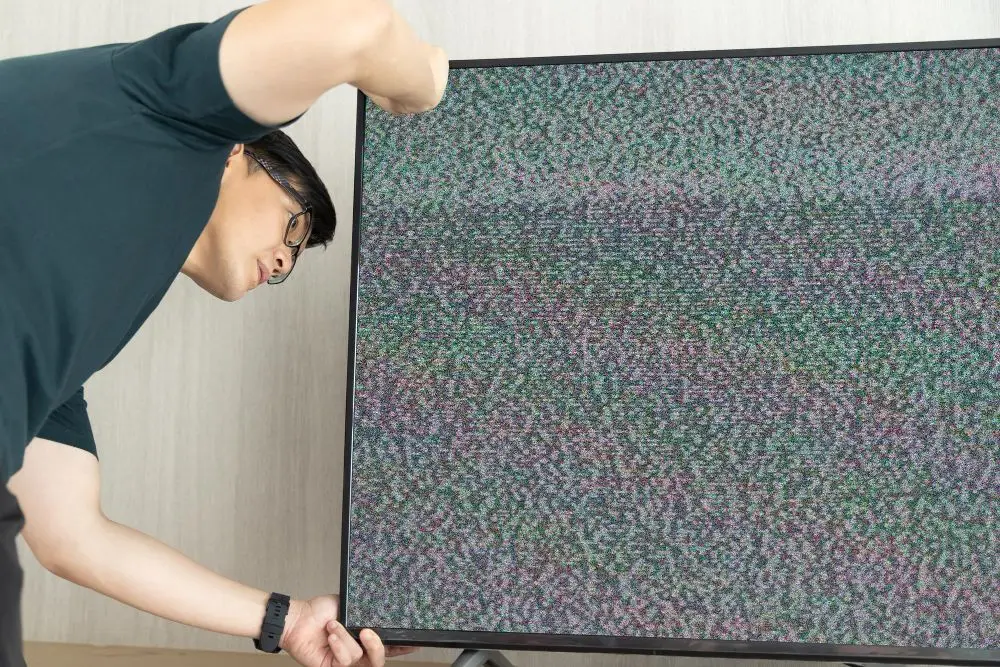
- Contents Insurance
Does Your Home Insurance Cover Accidental TV Damage?
Accidental TV damage is usually covered only if your contents insurance includes accidental damage. If the damage is caused by wear and tear, poor maintenance, or a mechanical or electrical fault, it’s typically not covered.
Damaging your television, whether it's a brand-new OLED or an expensive home cinema screen, can be incredibly frustrating and costly.
In this guide, we’ll help you understand exactly how to make sure your TV is protected and if your existing home insurance covers accidental damage.
At a glance
- TV damage caused by accidents is not included in most standard home insurance unless this protection has been added.
- Premium TVs, such as OLED or 8K models, may need specialist contents insurance to avoid underinsurance.
- Always check your policy for claim limits, excess charges, and the number of TVs included under cover.
- Look for policies that reflect the full replacement cost and offer flexibility for multiple high-value devices.
- Rivr offers tailored contents cover for televisions and home electronics, with claims support if you need to claim
Rivr's high value home insurance protects premium electronics from unexpected mishaps, helping you avoid large out-of-pocket repair or replacement costs.
What is accidental damage?
Accidental damage refers to sudden, unintentional damage caused by external events, rather than deliberate actions or gradual wear and tear. It’s different from standard insured events such as fire or theft.
With so many homes investing in high-end screens, understanding your TV insurance accidental damage options is key to protecting what matters most. This is vital, as this cover isn't always included automatically in standard home insurance policies.
What does it cover?
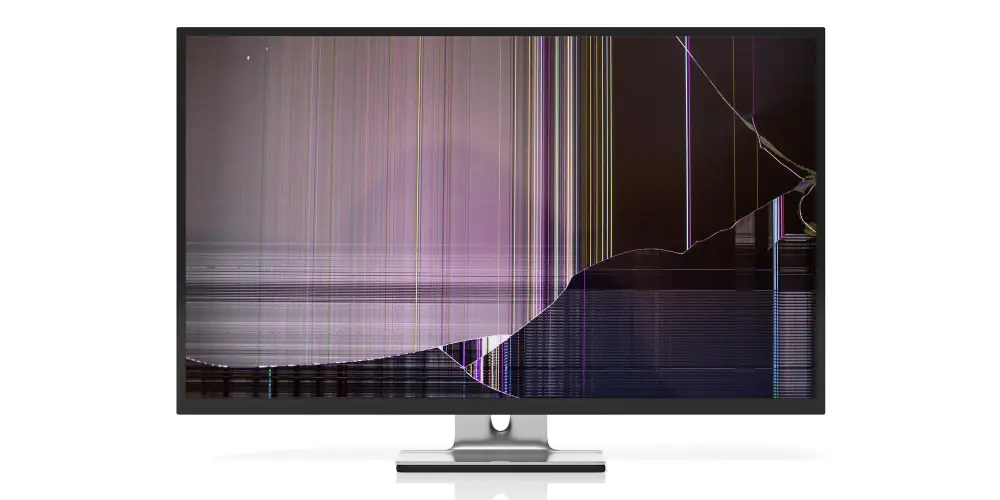
Essentially, it is damage you did not expect or intend. It must be sudden and caused by an external force, not the result of gradual wear or neglect. Insurers may exclude cosmetic issues like light scratches unless they stop the TV from functioning.
Common examples include:
- The screen cracking after being knocked over by a child or pet.
- Spilling a drink onto the TV or remote.
- A games console controller or toy hitting the screen during use.
- The TV falling while being moved or installed.
- Items falling from a shelf onto the TV.
- The screen being damaged while cleaning or mounting.
- Cracks or faults caused during temporary relocation (if in-scope under the policy).
These scenarios are typically covered only if your contents insurance includes accidental damage as an optional extra. Always check your policy wording and exclusions.
Does standard home insurance cover your TV?
Unfortunately, most standard UK home insurance does not include accidental TV damage by default; it's usually an optional add-on available for an extra cost.
Here’s a quick summary:
- Standard home insurance usually covers theft, fire, flooding, and vandalism.
- Accidental damage cover must typically be added separately to protect TVs from incidents like dropping, spilling, or impact damage.
Always check your policy carefully to determine if your TV is fully protected.
Is a cracked TV screen covered under home insurance?
A cracked TV screen will only be covered if your home insurance includes accidental damage cover. Without this add-on, you'll have to pay the repair or replacement costs yourself.
If your screen is cracked and your policy covers it, here's what to do:
- Check your policy terms to confirm you're covered.
- Contact your insurance provider promptly.
- Follow their claims process closely and provide proof of purchase if possible.
If your television is damaged and you need a repair, insurers may offer approved technicians or replacement, depending on the damage.
Do high-value or premium TVs need extra cover?
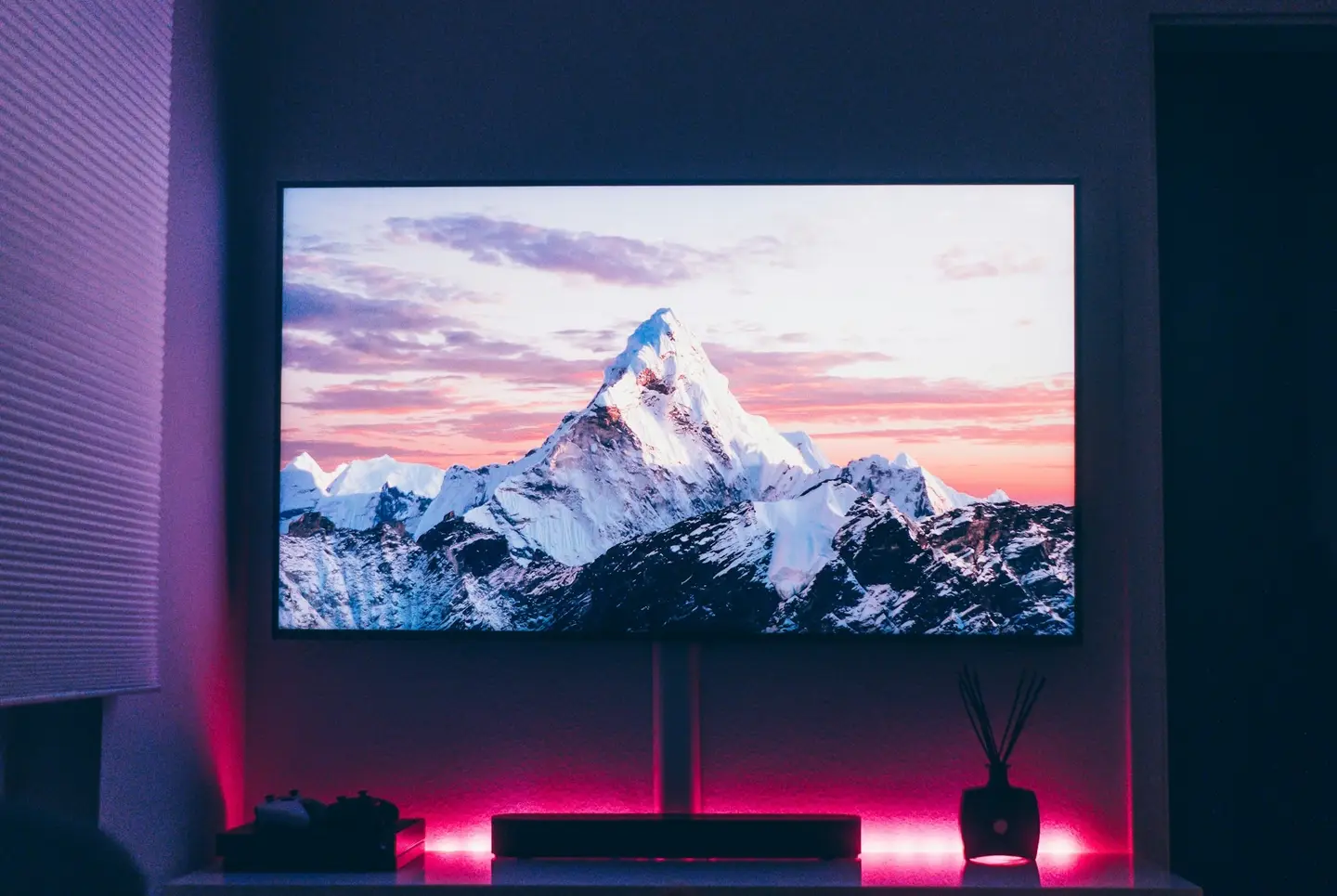
Premium TVs such as large OLED screens, 8K models, and home cinema setups can be expensive to repair or replace. These high-end systems come with higher repair and replacement costs. This is especially true when connected to a home network of smart speakers, lighting systems, or streaming devices, all of which may be affected if the display fails. Specialist repairs often involve expensive labour, particularly for OLED or wall-mounted units.
Special considerations for premium TVs include:
- Higher replacement costs (often several thousand pounds).
- More expensive and specialist repairs.
- Greater financial risk if the TV isn’t fully insured (underinsurance).
The benefits of contents insurance for premium TVs
When you have invested heavily in your TV, standard policies may not suffice. Instead, consider specialised contents cover designed for high-value items, like Rivr:
A contents insurance policy...
- Settles covered contents on a replacement as new basis, subject to limits.
- Covers physical loss or damage, including accidents, where covered.
- Includes accidental damage as standard, so it isn’t a separate add-on with Rivr.
- Usually doesn’t cover mechanical or electrical faults or breakdowns
- Protects from unexpected damage.
- Has a dedicated claims line for quick, hassle-free service.
- Contains clear terms about proof of purchase and straightforward claims procedures.
- Gives the option to cover multiple gadgets and appliances under one policy.
Separate television insurance policies exist, but they often cost more than comprehensive contents cover that includes multiple items.
TV protection checklist
- Check that your contents policy includes protection for unexpected damage.
- Confirm accidental damage is included, limited, or an optional extension on your policy.
- Make sure your claim limit reflects your TV’s full replacement value.
- Understand the excess amount you’ll need to pay if you make a claim.
- Keep original receipts or proof of purchase for all high-value TVs.
- Choose a provider experienced in insuring premium appliances and electronics.
- If your home has more than one TV, confirm each is covered under your current policy.
- If you’ll be away for over 45 days, check how cover changes.
Note: If you have more than one premium TV in your home, ensure all are covered under one policy.
What should I do if my TV becomes damaged?
- Review your policy immediately: Check the wording to confirm that the type of damage is included. Look for any exclusions, or specific conditions that apply before making a claim.
- Contact your insurer promptly: Notify your provider as soon as possible. Many insurers expect prompt reporting, and delays could limit your entitlement or slow the assessment process.
- Provide documentation: Give proof of purchase and details of the incident. Include the exact TV make and model number in your claim, as this helps insurers verify the value and arrange accurate replacements.
- Follow the insurer’s instructions: They might require an inspection, report, or photographic evidence. Cooperate fully to avoid any delays in decision-making.
Act quickly. Delaying any of these steps may affect the outcome of your claim or reduce your chance of full reimbursement.
Should I consider appliance insurance or separate TV cover?
Some people opt for separate insurance, like appliance insurance, to specifically protect items like TVs. Depending on your policy, contents insurance can cover TVs alongside other household items.
- Covers multiple gadgets and appliances under one policy.
- Can cover multiple items under one policy.
- May be simpler to manage than separate policies, depending on what you choose.
Specialist insurance providers such as Rivr focus on high-value homes and higher-value possessions, with claims support if you need it
Some standalone appliance policies offer unlimited repairs, but they may charge higher premiums and come with stricter conditions.
Can you claim multiple times?
Yes, but frequent claims could affect future premiums or renewal terms. Insurance providers may review your claims history and increase prices if multiple claims are made.
If your household includes children or pets, making unforeseen damage more likely, ensure your policy has clear terms for multiple claims.
Conclusion
Protecting your television means thoroughly understanding your home insurance coverage. Most standard contents policies in the UK don't include accidental damage cover automatically. Ensuring your TV is properly insured can reduce stress and unexpected costs if something goes wrong.
Resources
- For impartial guidance on home insurance policies, including accidental damage, visit the Association of British Insurers (ABI).
- If you're unhappy with the outcome of a claim, you can escalate the issue to the Financial Ombudsman Service, which provides impartial dispute resolution.
Rivr: contents cover for those with more to protect
Rivr is a digital-first, high-value home insurance provider built around your needs. Our tailored contents cover is designed for modern homes with premium appliances and electronics. From unexpected damage to loss and theft, our policies keep your most valuable items protected with flexible options, expert support and fast claims handling.
About the author

Will Clarkson Webb
Founder and CEO
Will founded Rivr in 2022 after seeing how broken high-value insurance was for modern clients.